
Building a house is a big undertaking, and carefully controlling building expenses will help you create a cozy home within your means. Good planning, wise material choices, and efficient cost control will help you reduce unnecessary costs while still preserving quality and strength.
Following sensible money-saving home construction advice will make the whole project—whether you’re building a little home or a bigger family home—easier and more reasonably priced.
Plan Your Construction Budget Carefully
Making a realistic budget is the first phase towards building an inexpensive home. Before beginning work, project costs for design, materials, labor, permits, land preparation, and finishing.
A thorough budget enables you to:
- Stay away from unforeseen costs
- Give top attention to crucial elements.
- Manage pointless costs
- Choose superior building options.
Always set aside some more cash for unforeseen expenses that might arise during construction.
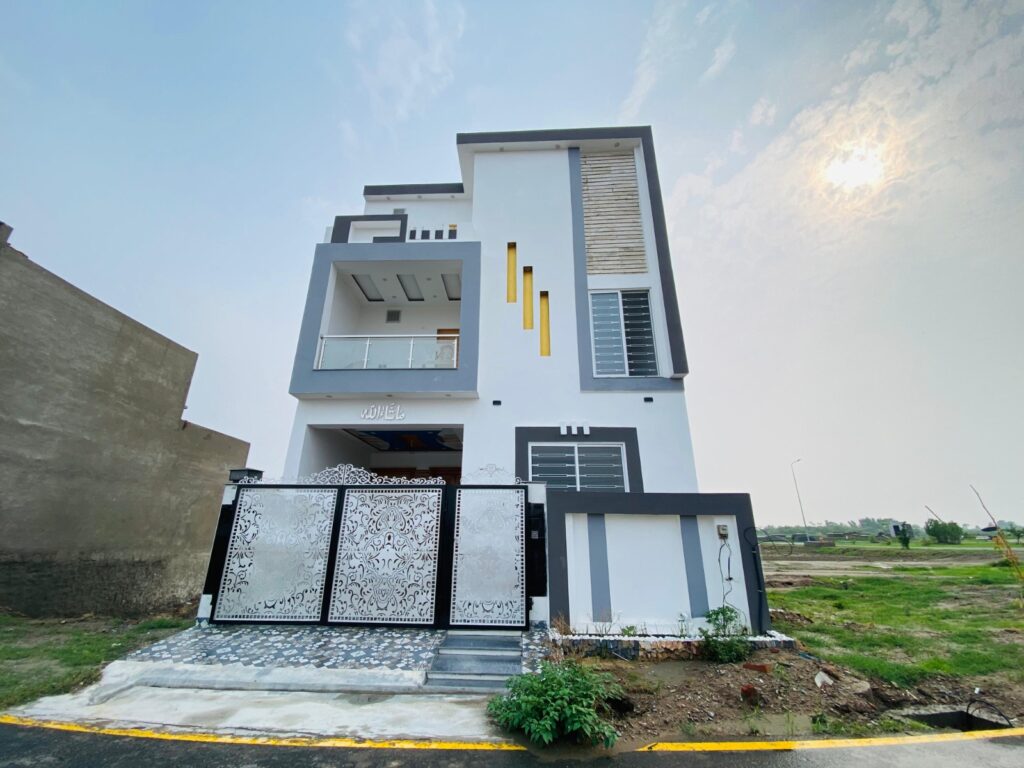
Choose a Simple House Design
An appealing house does not always call for a complex design. Simple, useful designs usually cost less to build and maintain.
Think about:
- Good room positioning
- Less superfluous walls
- Common room dimensions
- Basic Roof Plans
- Useful floor designs
A clever design will help to minimize material use and labor expenses while maximizing the space that is currently available.
Select Cost-Effective Construction Materials
Selecting the correct materials is quite crucial for regulating construction costs. Choose materials that provide excellent quality and long-term value instead of the most costly ones.
Strategies for saving money consist of:
- Check various vendors’ pricing.
- If you can, purchase supplies in quantity.
- Select nearby accessible resources.
- Avoid ongoing design adjustments throughout construction.
Always prioritize quality, since poor-quality materials could cause costly future repairs.
Hire Skilled Workers
One of the main costs of building a house is labor. Experienced employees can help finish the project quickly and lower material loss.
Before engaging laborers or contractors:
- Review past work.
- Check out estimates.
- Talk about times clearly.
- Verify payment arrangements
By avoiding building mistakes, a skilled crew can help to save time and expense.
Avoid Frequent Changes During Construction
Revising your design once building starts will greatly raise expenses. Changes frequently call for more resources, more work, and delays.
Before starting work, make sure all major decisions are made. These include:
- Floor plans
- Electrical outlets
- Locations for plumbing
- Tile choice
- Paint hues
- Bathroom and kitchen layouts
Good planning helps to avoid unneeded costs.
Focus on Energy-Efficient Features
One can save long-term domestic costs by investing in energy-efficient solutions. Though some elements may require an initial investment, they can help over time.
Think about:
- Appropriate ventilation
- Energy-efficient lighting
- Solar panels
- Isolated windows
- Natural illumination choices
These changes can help to lower your electricity expenses and raise the general value of your house.
Manage Material Waste
Another good approach to manage costs is cutting building waste. Good material storage and painstaking preparation will help to avoid needless losses.
Some helpful strategies are:
- Keep cement and other materials appropriately.
- Cut materials precisely before measuring
- Reappropriate unused materials.
- Keep tabs of daily material consumption.
Little savings spread over the building process can really change things.
Compare Contractor Quotations
Never pick a contractor just based on the lowest cost. Examine several quotations and the services provided.
An excellent contractor ought to offer:
- Clear pricing
- Good craftsmanship
- Practical schedules
- Correct project management
Selecting the correct contractor will help to avoid construction delays and budget overruns.
Build in Phases if Needed
If your funds are constrained, think about building your house in phases. You might give key areas top priority first and finish other features later.
For instance:
- Start by completing the underlying framework
- Complete necessary rooms
- Gradually include luxury elements.
Phased construction helps homeowners control costs within their financial capacity.
Avoid Over-Spending on Interior Finishing
Interior design may quickly drive up building expenses. Choose functional, long-lasting finishes instead of pricey patterns.
Cheap choices include:
- Simple but modern flooring
- Budget-friendly kitchen ideas
- Strong paint choices
- Solutions for functional storage
A well-designed interior can look stylish without costing too much.
Final Thoughts
Building a house on a budget calls for smart decision-making, meticulous planning, and strong cost management. Choosing a functional plan, using premium materials, employing skilled workers, and cutting unnecessary costs will help you build a lovely and long-lasting home at a reasonable cost.
An economy-friendly strategy does not imply sacrificing quality. Rather, it asks you to make wise decisions that best serve your investment.