
The concept of a house has evolved over bricks and mortar. Today, smart homes are again for people’s way of living, working and interacting with their rooms. Inspired by top modern technology, modern construction is no longer limited to aesthetics and durability-it is now about creating intelligent environment that is compatible with the needs of the citizens. From automated lighting to energy-capable systems, smart technology is refining real estate production and determining new standards for comfort and convenience.
Rise of Smart Home Technology
The increasing demand for smart homes stems from increasing the dependence of technology in daily life. Homebures now expect integrated solutions that provide security, comfort and stability. Builders and developers respond by including advanced systems in building plans, and ensures that the houses are ready for the future.

Important Features of Smart Homes
- Automation and control: Smart devices allow homeowners to be external light, heating, cooling and control through mobile apps or voice commands.
- Energy efficiency: Smart meters, thermostats and solar systems help reduce energy consumption by reducing costs.
- Promoted safety: Features such as smart locks, video doors and AI-in-operated monitoring provide security.
- Stability: Green construction materials added with intelligent systems make home more environmentally friendly.
Impact on the Construction Industry
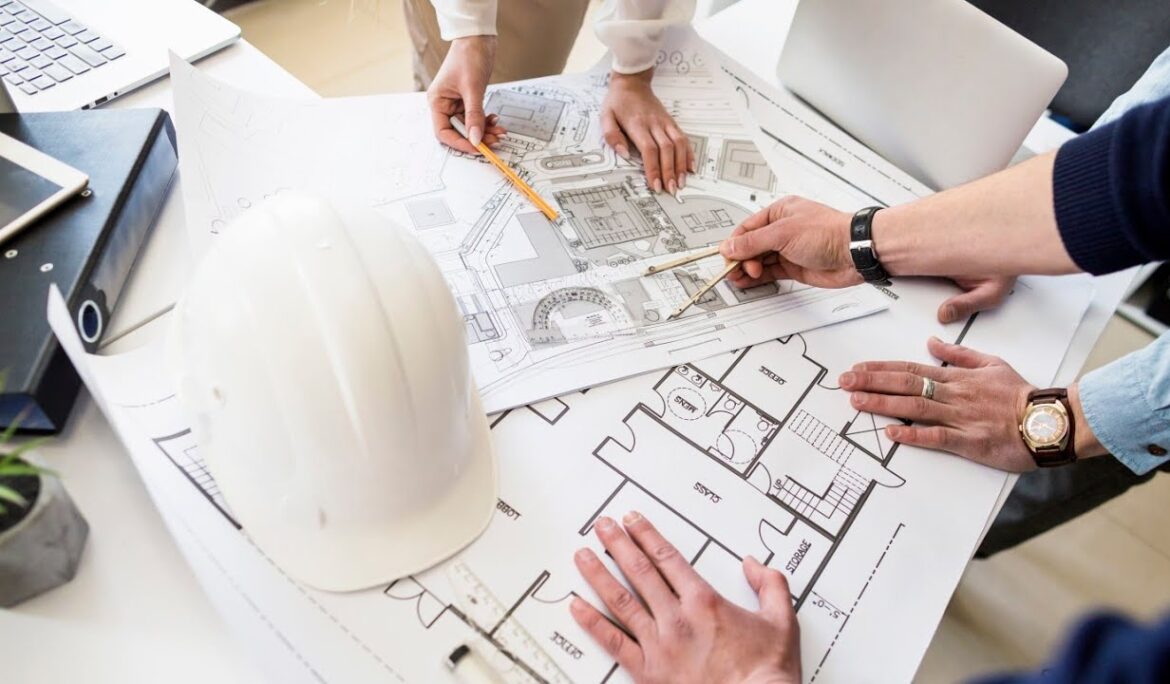
The integration of technology in home has changed construction practices to a large extent. Architects and engineers are now designing setups that adjust smart wires, sensor system and energy efficient installation. Developers also work with technical companies to ensure spontaneous connection and integration.
In addition, the construction moves towards modular and prefabricated techniques that support rapid distribution of smart infrastructure. This combination of digital innovation and advanced construction methods intensifies the development of modern residential places.
The Future of Smart Home
When we look further, artificial intelligence (AI) and Internet of Things (IoT) will increase the functionality of smart homes further. Predictable maintenance, health monitoring through smart sensors and AI-driven privatization will be standard functions. For developers, it means continuing to invest in technology that not only meets current requirements, but also guesses future lifestyle trends.
Conclusion
Smart homes represent the right mix of technology and construction. By integrating intelligent systems into building practices, the real estate industry builds places that are not only stylish and durable, but are also deeply linked to the needs of modern life. As demand increases, technology -driven construction will remain at the center of real estate innovation.