
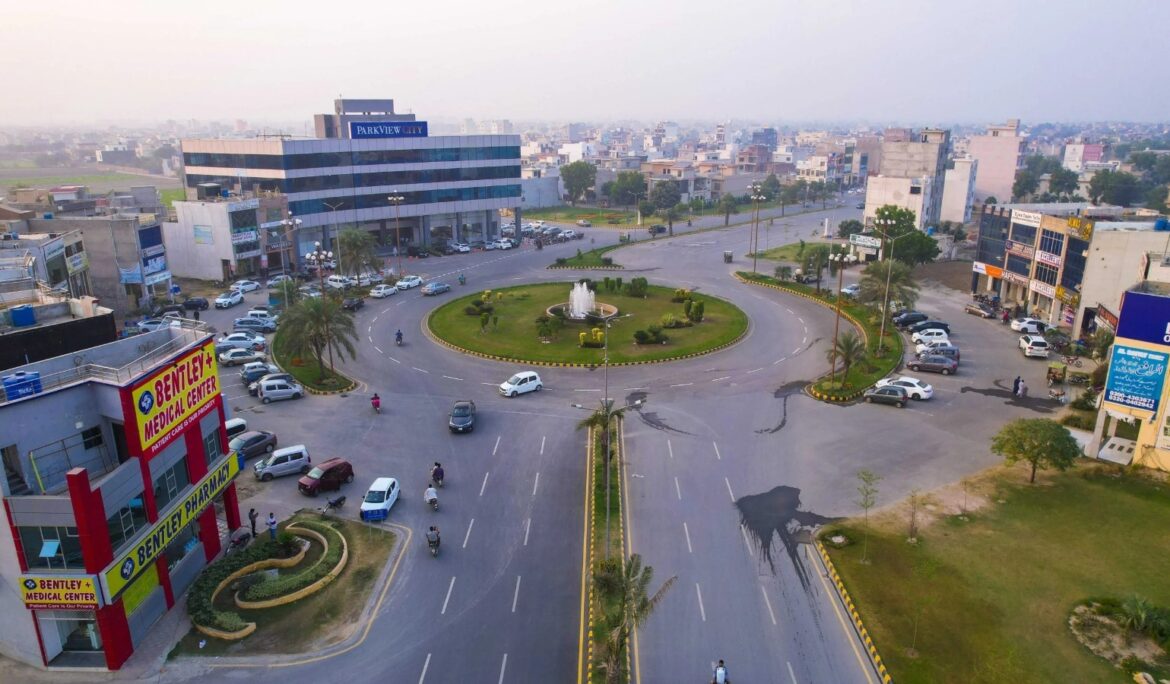
Park View City Lahore enters a crucial phase of development. Urban requirements, infrastructure upgrades, and evolving buyer preferences align with societal needs to drive the next chapter. Over the next five years, the project is likely to experience stable capital assessment, strong pricing, and rapid commercial activity. This forecast breaks down drivers, deadlines, and opportunities, allowing investors and end-users to plan with clarity.
Snapshot: Why talk about the next 5 years
- The urban footprint of Lahore continues to expand.
- Buyers prefer safe, dull communities with modern functions.
- Hybrid work, e-commerce, flexible home layouts, and Neighborhoods increase the demand for retail.
- Developers focus on liveliness, stability, and innovative services.
- When these trends converge, Park View City will meet the demand for visibility and walk-in traffic from both upper-income households and small businesses.
Phase views (years 1-5)
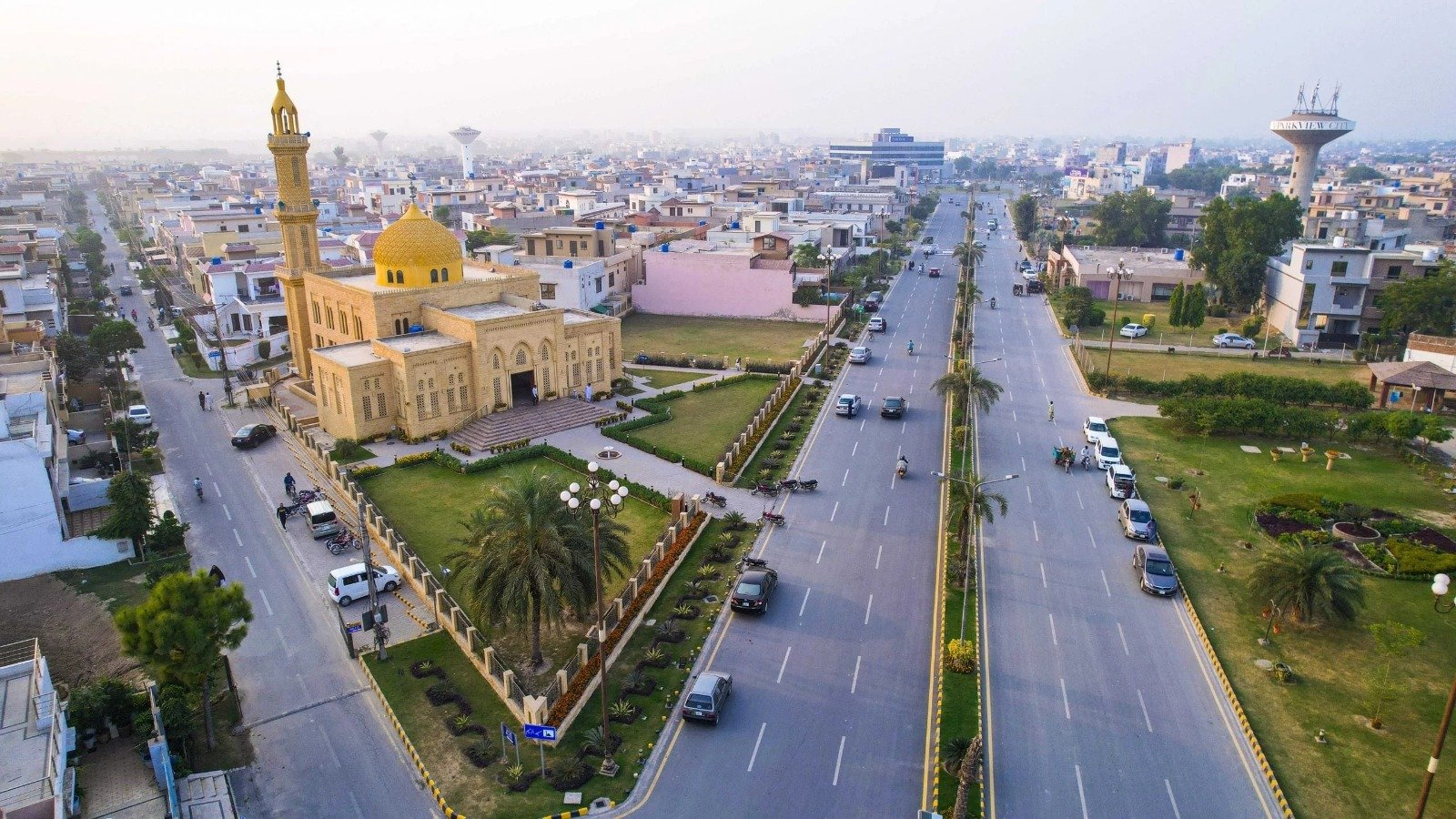
Year 1: Innovation and Distribution
Time occupation, quick couplings, and close-up centers to advance the functions of the community. Street capping, lighting, and green space will shape the first impression. As more houses are handed over and families move in, foot traffic increases in local retail. Prices are usually fixed in this phase, while the price listing is displayed, especially for 5- and 10-march units.
What to watch:
- Build quality and pace of handovers.
- Activation of parks, mosques, and entry boulevard.
- Early convenience retail and essential services.
Year 2: Amenities Come Alive
With residents on the ground, the focus shifts to lifestyle. Schools, clinics, fitness centers, and sports facilities become magnets for people. A functional amenities stack not only improves livability but also supports price resilience. Commercial pockets begin to stabilize as cafés, pharmacies, and salons open. Rental yields improve as end-users prefer the convenience of a complete community over standalone houses in unplanned areas.
What to watch:
- Progress on flagship amenities.
- Occupancy levels and night-time vitality.
- Security, maintenance, and HOA responsiveness.
Year 3: Commercial Uptick and Brand Recognition
Up to year three, the brand recognition is stronger. Word-of-mouth and social proof reduce buyer hesitation. Developers can launch new predecessors or limited-securities products (such as corner commercial plots, mixed-use buildings, or premium residential developments). Well-located stores and offices experience high foot traffic and low vacancy rates. The value spreads between inner roads and Prime Boulevard.
What to see:
- Mixed-use or launch of high-road areas.
- Traffic means something on the main corridors.
- The resale speed to corner and forwarding properties.
Year 4: Smart Services and Social Program
Older communities differ not only in their structures, but also in their services. Expect digital visitor control, app-based maintenance requests, fiber optic connections, and bundle services such as waste management and landscape architecture. Social programs, Kisan Bazaar, Sports League, and School Partnership create social glue. This phase attracts families and professionals who have a long-term commitment that affects prediction and safety.
What to see:
- Adopt smart homes and e-management facilities.
- Community programming and participation.
- Consistency in service level agreements (SLA).
Year 5: Price Search and Portfolio Rebalancing
For five years, the transaction data tells a clear story. Transfer of investors’ unbalanced portfolios, including income-producing properties, such as rented houses and stable retail outlets. Secondary developers and franchise marks emerge, which provide fresh capital and foot traffic. If the position of macroeconomic condition remains stable, the capital values often reflect a well-operated, fully active society’s full premium.
What to see:
- Prices of trends per square foot in blocks.
- Price product benchmark for homes and shops.
- Recognized retail and F&B introduction of the chain.
Key Growth Drivers
1) Livability First
Families want safe streets, reliable utilities, and clean public spaces. Parks, jogging tracks, and kids’ play areas increase time spent within the community. As livability improves, residents stay longer and are more likely to recommend the project, supporting both capital gains and rental stability.
2) Connected Convenience
Even modest improvements in access routes can shift buyer sentiment. Proximity to major corridors, public transport options, and employment hubs reduces commute anxiety and raises overall valuation. Over five years, incremental connectivity usually compounds into tangible price premiums for front-facing blocks.
3) Mixed-Use Momentum
Well-planned commercial strips create “15-minute living” areas, where daily needs can be met nearby. This reduces churn and improves profitability. Investors who secure corner shops or units facing anchor amenities typically enjoy early appreciation and lower vacancy risk.
4) Quality Assurance and Governance
Sustained growth depends on visible maintenance, transparent rules, and quick resolution of resident issues. A strong owners’ association and developer service culture can preserve asset values, especially in volatile markets.
5) Demographic Tailwinds
Young professionals and growing families continue to seek manageable plots and modern designs. Demand spreads across 5-marla, 10-marla, and 1-kanal brackets, while duplexes and compact villas attract those seeking lower upkeep yet high comfort.

Investment Themes and Strategies
- Early Mover in Amenity Corridors: Acquire near parks, schools, or the main boulevard. Liquidity and resale are stronger where footfall and visibility are high.
- Balanced Plot + Build Approach: Purchase a plot in a livable area, then construct a rental-friendly home with a separate upper level. This diversifies returns and reduces vacancy.
- Commercial with Care: Opt for commercial units with efficient frontage, clear sightlines, and convenient parking nearby. Prioritize strips with anchors (such as grocery stores, pharmacies, and clinics) over isolated shops.
- Hold Through Activation: The most significant value unlock often occurs between the first possession and full activation of the amenity. Avoid panic selling during construction noise or early teething issues.
- Data-Led Exits: Track actual rents and resale times by street. Exit weaker micro-locations and consolidate in proven, high-demand pockets.
Risks to Monitor
- Delays in Utilities or Amenities: Postponements can defer rental income and dampen buyer confidence.
- Macroeconomic Volatility: Inflation, interest rates, and construction costs can impact affordability and developer cash flow.
- Over-supply in Nearby Schemes: Competing launches may pressure short-term resale prices if demand becomes fragmented.
- Governance Gaps: Inconsistent maintenance or unclear bylaws can erode the premium of a gated community.
Mitigate these risks by diversifying across blocks, insisting on documentation clarity, and focusing on streets with completed homes.
Five-Year Outcome: What “Success” Looks Like
If execution stays on track, Park View City Lahore should evolve into a vibrant, family-centric neighborhood with:
- Strong occupancy and an active community life.
- A complete amenities stack, including education, health, fitness, and parks.
- A stabilized high street with essential retail and a few branded anchors.
- Documented rental yields for typical 5- and 10-marla homes.
- Distinct price tiers exist between prime boulevards, park-facing areas, and inner streets.
- For end-users, this means lifestyle certainty and a sense of pride in their address. For investors, it means improved liquidity, predictable rental flows, and sustained long-term appreciation supported by real demand rather than hype.
Action Checklist for Buyers and Investors
- Visit at different times of day to assess traffic, lighting, and security.
- Prioritize streets with visible habitation and completed utilities.
- Verify possession timelines and service charges.
- Choose layouts that enable rental flexibility (upper-portion independence, separate meters).
- For shops, evaluate frontage, walk-by traffic, and proximity to anchors.
- Keep a 3–5 year horizon. Let the community mature and data accumulate.