
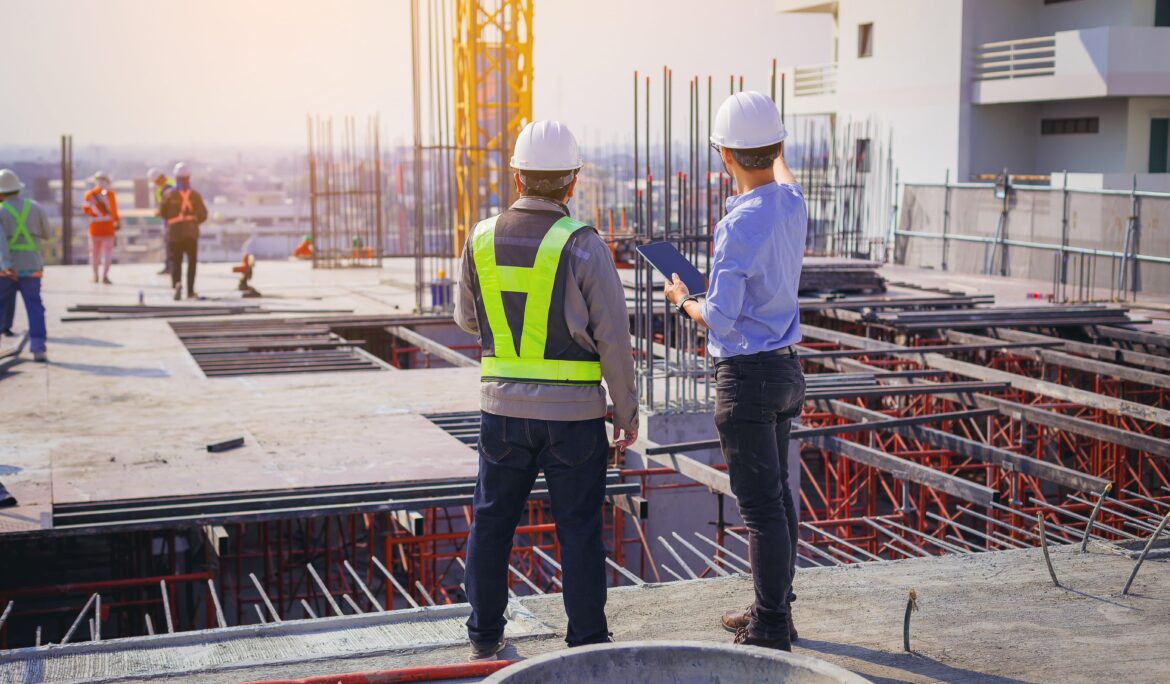
When it involves a gray-scale construction, it is necessary to choose the right substances to ensure long life, safety, and overall project success. Two of the most commonly used substances in concrete and metal production each have a set of advantages and challenges. In this publication, we will perform a complete evaluation of concrete and steel, which will help determine which material is best suited for structural power.
Understand what a gray structure is in construction.
Before diving into a comparison, it is essential to define what a gray structure is. A gray structure refers back to the skeletal structure of a construction, including the layout of columns, beams, floors, and partitions. During this construction section, the primary focus is on raising the structural elements that will support the building. Gray structures do not include complete substances, such as plaster, tiles, paint, or interior fittings.
The Benefits of Using Concrete for Grey Structure Construction
Concrete has been a staple in the construction industry for many years, thanks to its marvelous properties and flexibility. Let’s explore why concrete is a popular choice for gray structure creation.
Key Advantages of Using Concrete for Strength and Durability

Exceptional Compressive Strength and Load-Bearing Capacity of Concrete
Concrete is known for its first-rate compressive strength, making it ideal for systems that need to resist heavy masses. Its ability to address pressure makes it an excellent choice for foundations, floor flooring, and the lower ranges of buildings, particularly in high-rise projects.
Superior Fire Resistance and Safety of Concrete Structures
Concrete is inherently fire-resistant and no longer catches fire. It can withstand excessive temperatures for prolonged periods, presenting a high degree of safety in the event of a fire. It is a preferred option for building codes in areas prone to fires or high-risk zones.
Long-Lasting Durability and Minimal Maintenance Requirements of Concrete
Once properly poured and cured, concrete structures are exceedingly durable and require minimal protection. Concrete resists wear and tear as a result of environmental elements, including climate changes, making it a low-maintenance choice for many types of buildings.
Concrete’s Affordability and Cost-Effectiveness in Large-Scale Projects
For many creation initiatives, concrete tends to be cheaper than other materials like metal. The availability and comparatively low value of concrete make it a popular alternative for finance-conscious initiatives, especially those on a large scale.
Potential Disadvantages of Using Concrete for Grey Structure Construction
The Heavy Weight of Concrete and Its Impact on Construction Logistics
While concrete’s weight contributes to its power, it can be bulky during shipping and installation. The heavy nature of concrete regularly requires extra exertion and specialized machinery to handle and pour, which could increase construction prices.
Concrete is likewise susceptible to cracking and shrinkage as it heals and settles. It can result in long-term structural problems if not well monitored, particularly in large or complex structures. Regular maintenance may be required to address cracking over the years.
The Benefits of Using Steel for Grey Structure Construction
Steel has revolutionized the current structure with its power, flexibility, and lightness. Let’s dive into why metallic is becoming a widespread cloth for shape construction.
Key Advantages of Using Steel for Strength, Flexibility, and Speed
High Tensile Strength of Steel and Its Impact on Structural Design
Steel boasts exceptional tensile strength, which means it can resist substantial stretching and pulling forces without losing its shape. It makes metal an outstanding material for systems that require large open areas, as well as industrial homes, bridges, and high-rise towers.
Steel: Lightweight and Efficient in Construction
Compared to concrete, the metal is pricelessly lighter, making it less prone to cracking during transport and layouts. It is easy to reduce hard work and logistics, allowing early tasks to be completed as metals are completed and prepared on-site at the assembly.
Design with steel and flexibility in structural innovation
Steel frames allow complex, accurate designs that are difficult or impossible to achieve with concrete. In addition, the metal can be coined into various styles and sizes, contributing to the versatility of the fabric.
Building speed with pre-constructed steel components
Since steel additives can be preproduced in factories and then assembled on websites, steel use projects can be eliminated much earlier compared to those that depend on concrete. This reduced construction timeline makes steel an attractive alternative for tasks that require a slight change.
Possible deficiencies when using steel in gray structure construction

Rust resistance problems and maintenance needs
One of the biggest challenges with metal is its sensitivity to the war. Steel structures in contact with moisture, salt, or chemical compounds can rust, which weakens the substance. Steel should be maintained regularly with protective coatings or galvanization to protect it from rust, especially in coastal or high-moisture environments.
Necessary security for questions about fire resistance and steel structures
While the metal does not burn, it is more likely to lose its power when exposed to high heat. In the event of excessive heat, the metal can be damaged or compromise its structural integrity.
Concrete vs. Steel: Which Is Best for Strength and Durability in Grey Structure Construction?
Both concrete and metallic offer incredible power, but they excel in extraordinary methods. Concrete is renowned for its compressive power, making it ideal for load-bearing foundations and lower ranges, whilst metal’s similar energy and versatility make it a fantastic choice for high-rise buildings and open spaces for heavy load-bearing applications in foundations.
If your construction project entails heavy load-bearing, especially at the foundation or lower levels, concrete is the desired choice. Its ability to endure sizable pressure makes it best for these vital structural elements.
Steel for Tall Buildings and Large Open Spaces: Perfect for High-Rise Projects
For tall homes or systems with massive open areas that require energy without the delivered weight, metallic is the preferred choice. Its tensile energy, blended with its lightweight, makes it a top cloth for skyscrapers, bridges, and expansive business homes.
Durability Comparison: Concrete’s Low Performance vs. Steel’s Maintenance
Concrete outperforms steel in terms of durability and calls for less ongoing upkeep. Steel, although robust, is at risk of corrosion over time, and its renovation prices can go up. Concrete systems, whilst nicely designed, can remain closed for many years with little intervention.
Speed of Construction: Choosing Steel for Faster Project Completion
If meeting tight closing dates is essential, metallic may be the better alternative. Since metal components can be prefabricated off-site, the construction process is streamlined, considering faster completion and the entire project as compared to concrete, which calls for curing and longer installation instances.
Conclusion
Both concrete and metal have proven their real worth as building materials for gray structure creation, and the best choice depends on your challenge. Concrete gives advanced compressive strength and sturdiness for foundations and lower levels, making it a solid preference for many conventional buildings. On the other hand, steel offers flexibility, layout freedom, and velocity, which might be particularly treasured in current, massive-scale, or high-pressure projects.