
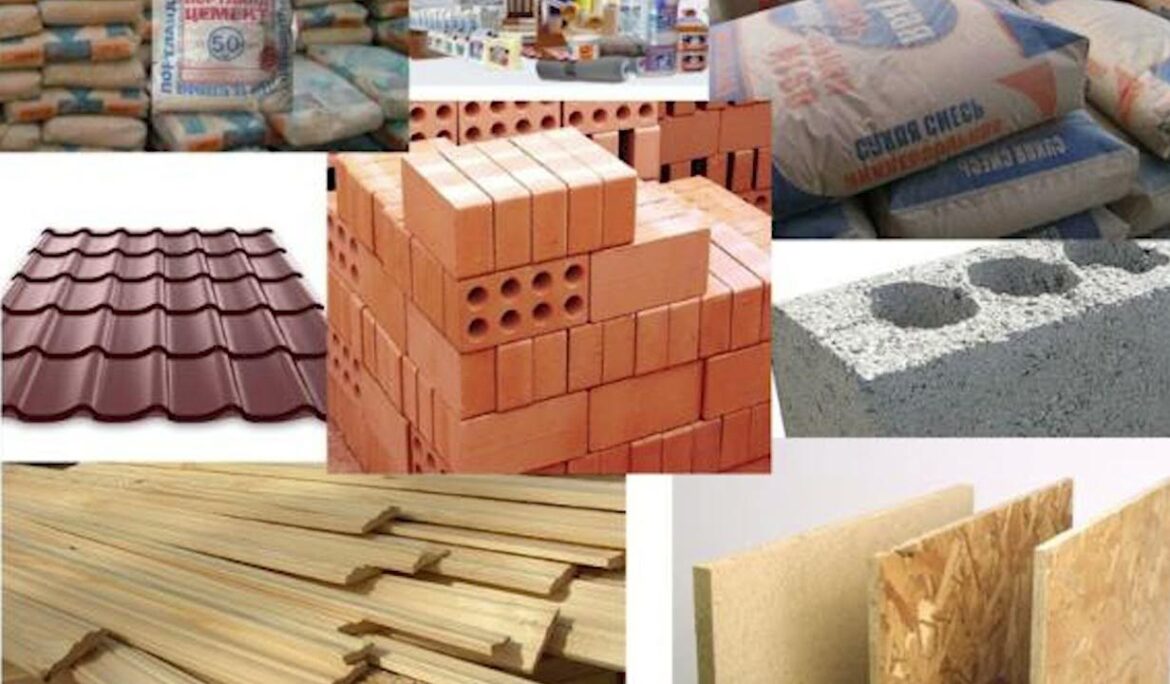
In construction, every detail means something. From design to execution affects the options made under a project, including direct, durability, safety, and long-lasting value. Of these alternatives, choices play the most important role in building materials. The corners with cheap alternatives can appear cost-effective before cutting, but it often leads to high expenses, low safety, and frequent repairs in the future. This is why quality materials should be regarded as the basis for each long-term construction project.
Stability and Long Life
High-quality materials are designed to withstand environmental pressure, including changes in weather, heavy loads, and natural wear over time. For example, strong concrete, corrosion-resistant steel, and durable insulation can ensure that a building maintains its structural integrity for decades.
On the other hand, poor quality alternatives break down quickly, causing cracks, water circulation, or even structural faults. By choosing premium content, developers and property owners protect investments against premature aging and costly renewal.
Safety and Structural Integrity
Construction is not just about creating functional space – it is about ensuring the safety of those who use it. The quality material meets strict safety standards, which reduces the risk of collapse, reduces fire hazards, and toxic emissions.

For example:
- The fire struggle material provides considerable resistance to the emergency. High-quality steel provides stability in long structures.
- Certified electrical cable prevents short-circuit and fire risk.
- Investment in quality materials directly translates to safe and working environments, which are non-parasites for long-term projects.
Cost Effectiveness with Time
Cheap materials can initially save money, but they usually require frequent repair, replacement, and maintenance. In the life of a project, these recurring costs often exceed the initial savings.
High-quality materials, although more expensive, progress, reduce the cost of maintenance, nd extend the building’s life cycle. For investors and developers, this means a strong return and low financial risk of investment.
Energy Efficiency and Stability
Modern construction stability is deeply linked to the dimensions. Quality materials often improve insulation, thermal performance, and reduce energy consumption. For example, premium glass, advanced insulation panel, and environmentally friendly concrete carbon footprint of the buildings, which combine to lower heating and cooling costs.
It not only benefits the environment but also makes it more attractive to buyers and tenants who lead energy-efficient lives.
Beauty Price and Market Appeal
Quality is visible. High-quality finish, durable flooring, and reliable cladding provide a property with a polished, long-lasting appearance. Buildings built with age of better materials age, maintain their appeal even after many years of use.
It increases the value of the property and attracts tenants or buyers who are ready to pay a price for well-built, durablproperties.es In competitive markets, this increase can create all the differences.
Compliance with Standards and Regulations
Each field has a construction code and safety standards. Using low-quality materials often affects non -non-compliance, leading to punishment, legal complications, or even demolition orders. Quality materials are tested and certified to meet government requirements, which ensures relief approval for developers and risk of responsibility.
7. Reputation and Market Cases
For construction companies, developers, and contractors, reputation is all. A project produced with high-quality materials is in the form of a permanent will for reliability. On the other hand, poor content options that give rise to deficiencies or mistakes can damage the reliability and make future projects difficult to secure.
Conclusion
In long-term construction projects, quality materials are not an alternative upgrade-they are a requirement. They ensure durability, safety, and efficiency by reducing costs over time. They also help buildings maintain value, follow rules, and build trust in the market.
Although the first expenses may take more, the long-term benefits of using better materials are far from short-term savings on cheap options. For developers, investors, and real estate owners, the message is clear: Quality material is the strongest basis for permanent success.